


Consumer behavior is changing fast, and 2026 is going to accelerate every shift we started to see this year. From frictionless shopping and fading brand loyalty to the rise of wellness tech, smart homes, and micro-communities, the year ahead will change more than what people buy. It will change how they discover products, make decisions, and connect with brands across channels and moments.
Beneath every trend is the same story: Consumers are becoming more dynamic, more fragmented, and more shaped by culture, technology, and context than ever before.
The hard part for marketers isn’t noticing these shifts, it’s figuring out who they matter to, why they matter, and how to respond without wasting time or budget.
The brands that win in 2026 won’t be the ones chasing every trend. They will be the ones that turn these signals into smarter segmentation, faster activation, and more culturally relevant experiences.
Here are the 7 major consumer trends shaping 2026 and what they mean for marketers.
Social commerce boom & a frictionless checkout
Shopping continues to move deeper into social platforms, and in 2026 that shift will accelerate. Social commerce isn’t just growing as a channel, it’s becoming a default way people discover, evaluate, and buy products. Livestream shopping, creator-led product drops, and in-app checkout are quickly turning browsing into buying, often in the same moment.
In fact, social commerce is expected to surpass $1.4T globally in 2026, with TikTok Shop driving double-digit year-over-year growth.
But the bigger change isn’t volume, it’s behavior. This year, convenience, speed, and flexible paying options like BNPL and one-click check outs became the norm, but in 2026 this is expected to fuel higher micro-spending and impulse buys. Brands should remember that any friction a customer experiences at checkout risks killing the sale.
At the same time, AI continues to influence how people shop. As consumers move from “searching” to “asking,” AI tools are shaping which products get surfaced and which don’t. Forrester predicts that in the new year 20-30% on online purchases will be influenced by AI chatbots, changing how brands show up at the moment of decision.
This shift will also fuel the rise of “dupe culture,” as shoppers ask AI for cheaper alternatives, which funnels into the next trend: that brand loyalty is eroding.
Why this matters: Social commerce isn’t just a channel anymore. It reflects a shift in how decisions are made. Marketers need to think beyond channels and focus on behavior, showing up with clear value, consistent presence, always-on-content, and product information that’s easy for both people and AI to understand at the moment of intent.
Brand Loyalty is weakening
It’s easier than ever for consumers to find alternatives to the brands they already use. Dupe culture has gone mainstream, with entire social accounts and creator ecosystems dedicated to comparing products, surfacing substitutes, and pointing people toward cheaper or better-fitting options.
In 2026, switching brands won’t feel like a big decision, it will feel normal. Consumers are comparing more, questioning more, and choosing based on what makes sense in the moment, not long-term allegiance to a brand. For many younger shoppers especially, loyalty isn’t about sticking with one brand forever. It’s about finding the best option for their needs right now.
That doesn’t mean trust no longer matters. It means trust alone isn’t enough. Brands still need consistency and credibility, but they also need to stay relevant on price, on fit, and on value, every time a consumer is making a choice. This means brand trust and consistency matter more than ever, but brands also need to focus on competitive pricing when they can and constantly find ways to deliver value.
Why this matters: Loyalty programs on their own won’t save you, relevance will. Marketers need to focus less on managing loyalty as a status and more on earning it continuously through clear positioning, meaningful differentiation, and messaging that answers a simple question at the moment of decision: why this brand over the alternative?
In 2026, loyalty isn’t something you secure once. It’s something you earn daily.
Consumers will take on more subscriptions
Subscriptions will continue to grow in 2026 not just because they’re convenient, but because they match how people want to live. Predictable costs, automated delivery, and fewer day-to-day decisions make subscriptions appealing in a world where attention and time are limited. Grand View Research shows the subscription economy is exploding (nearly $500B in 2024 and growing at 13%+ CAGR), and McKinsey’s latest consumer report makes it clear: digital-first habits aren’t going anywhere.
As a result, subscriptions are showing up everywhere; from wellness and beauty to home care, entertainment, and groceries. Consumers are trading one-off decisions for “set it and forget it” solutions that make life easier.
But this shift comes with higher expectations. When people subscribe, they expect ongoing value, not just recurring charges. If a subscription stops feeling useful, relevant, or worth it, cancellation is easy and increasingly common.
People want predictable costs, automated convenience, and services that remove friction from their day. So, expect to see more subscriptions across everything; wellness, home care, beauty, entertainment, even groceries, as consumers trade decision-fatigue for “set it and forget it” living.
Why this matters: Subscriptions aren’t just a business model, they’re an ongoing relationship.
Marketers who win in this space will design offerings that create ongoing value, post-purchase engagement loops, personalized renewal or expansion journeys or segment-based upsell paths driven by consumer intent signals.
In 2026, the brands that succeed won’t just sell subscriptions. They’ll turn one-time buyers into members by delivering value that keeps earning its place. Health and wellness will take priority
Health and wellness will take priority
In 2026, wellness won’t be something consumers look for only in health-specific products. It will shape how people evaluate everything they buy. More consumers are making choices based on how a product fits into their physical health, emotional state, and sense of control, not just price or performance.
Wellness Tech
Smart wellness devices are moving into the mainstream – for example, in 2026 you’ll notice more people wearing Oura Rings (or smart tech accessories). By analyzing the Oura Ring brand in Demand below, we can see search/interest levels reached their highest in October 2025, and we expect that to rise again in the new year. And products like intelligent mirrors and biometric mattresses will gain popularity, as consumers crave real-time insights into their physical and mental health.
.png?width=1626&height=1042&name=image002%20(3).png)
Rejection of over-processed foods
Consumers will push back against fake or overprocessed foods in the new year, and gravitate towards food options that feel real, and culturally authentic. This will also be influenced by the fact that over 12% of Americans are on a GLP-1 for weight loss and choosing healthier options. In addition, consumers are looking for cognitive boosters and fertility focused nutrition. Shoppers are scrutinizing labels more than ever as they make healthier, more intentional choices.
Emotional wellness
More than 60% of consumers now choose products that will improve their mood or reduce stress, driving growth in categories like calming foods like magnesium drinks, sensory-driven home care like aromatherapy dish soap, and digital emotional wellness tools such as AI guided meditation apps.
Why this matters: Wellness is no longer just a category, it’s a purchase decision filter. Brands must: communicate functional benefits clearly, prove emotional value, prioritize transparency and authenticity, and align products with wellness-driven aspirations.
In 2026, products that help people feel better, healthier, or more in control won’t just stand out, they’ll feel more relevant in moments when it matters most.
We’ll see a “smart home” shift
In 2026, smart homes will start to feel less like a collection of connected devices and more like a system that quietly works in the background.
According to Forbes’ “10 Consumer Tech Trends of 2026,” we’re moving from homes that are simply connected to homes that are genuinely intelligent. Instead of managing a dozen smart devices separately (like smart locks, smart lights, smart speakers) consumers will expect their home to anticipate their needs like a virtual housekeeper; coordinating everything,
In this new setup, the home becomes one seamless ecosystem: lighting, climate, energy use, entertainment, security, even cleaning, all orchestrated by AI instead of you juggling different smart home apps. The result? More convenience, less friction, and a home that does more of the “thinking” while you get on with your day.
That expectation is already shaping how consumers evaluate products. People are becoming less tolerant of tools that work well on their own but create friction when combined with everything else they use.
Why this matters: Consumers will increasingly expect products that “just work together.” Brands should prepare for: bundle opportunities, cross-category partnerships, positioning products within lifestyle ecosystems and messaging that emphasizes ease, integration, and reduced mental load.
The smart home shift isn’t really about devices. It’s about cognitive load. In 2026, brands that make life feel easier will have the advantage.
Consumers are buying less, to afford more meaningful experiences
In 2026 we will see younger consumers make a switch to spending more on experiences like travel, rather than accumulating more stuff. Their focus is on access over ownership and memories and experiences, over products.
Brands can expect to see growth in industries that offer these experiences like travel, leisure and entertainment. Brands not in this space should at least focus on investing in “experience-based marketing”, giving consumers immersive shopping experiences.
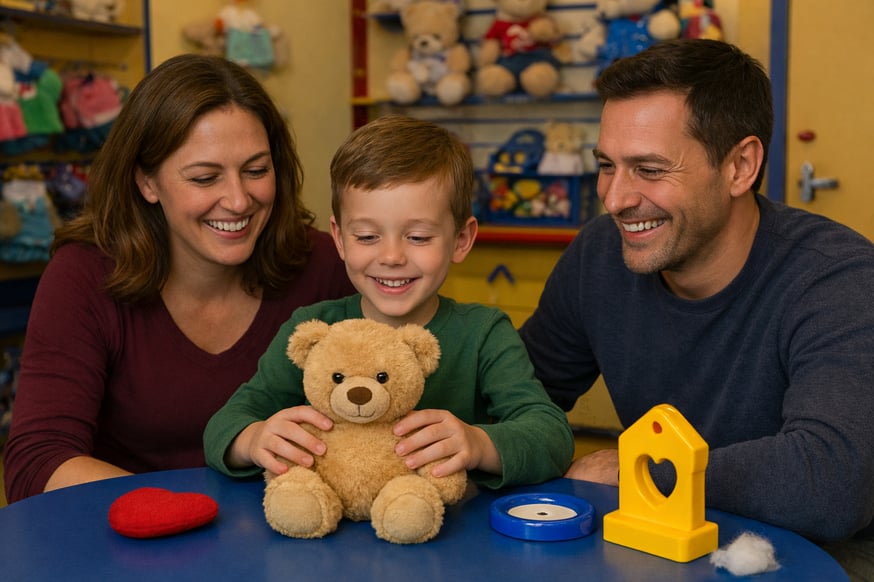
Build-A-Bear is a perfect example of this – they sell stuffed animals but they also sell the experience of getting to build it yourself, and providing consumers with that special “memory”. So yes, consumers are buying a stuffed animal but they are also getting an experience.
Why this matters: If you sell products, you’re also selling an experience whether you design for it or not. Marketers need to think about how their brand shows up in moments that matter: how discovery feels, how purchase feels, and what kind of memory or meaning gets attached to the product.
In 2026, experience-first thinking will outperform product-first messaging especially when it reflects how consumers actually want to spend their time and money.
Micro-communities will matter more than mass audiences
Consumers are increasingly identifying with niche communities based on shared interests, values, and aesthetics rather than broad demographic labels. Research shows people are more likely to see themselves reflected in niche groups than in generic segments, which is changing how they connect with brands.
Traditional personas struggle to capture this shift. They assume identity is fixed and easily categorized, when today’s consumers move fluidly through cultural systems like Cottagecore on TikTok, or Crypto Dads on Reddit. These networked groups share language, symbols, and behaviors that shape how they connect far more than demographics ever could. That’s why more marketers are moving away from static personas toward ecosystem thinking paying attention to cultural signals, understanding how meaning changes across platforms, and approaching communities with relevance and respect.
Why this matters: Broad messaging still reaches people, but it rarely resonates.
Marketers need to design for specificity by building creative that reflects shared language and values, and engaging communities in ways that feel informed rather than intrusive.
This is where audience intelligence becomes a superpower. It helps you understand not just who your audience is, but the cultural ecosystems that influence how they think, behave, and make decisions. Below is an example of the Skims Gen Z audience and all the niche communities that live within it, each shaped by different interests, norms, and motivations (surfaced and segmented by Audiense Insights):
.png?width=1431&height=839&name=image004%20(6).png)
Your next steps for navigating 2026
2026 isn’t just bringing new trends, it’s reinforcing a new consumer mindset. People are more dynamic, more selective, and more influenced by culture, context, and moments than ever before. The common thread across every trend is the same: broad assumptions break down faster and relevance matters more.
Navigating this landscape takes more than demographics or surface-level insights. It requires understanding how audiences behave, what motivates them, and how those motivations change across platforms, situations, and stages of decision-making.
That’s where audience intelligence comes in.
Explore Audiense Insights to see how your audience breaks into meaningful cultural and behavioral segments; what they care about, who influences them, and how to reach them with clarity and confidence in 2026.